
Termite Control in Qatar
Termites feed on wood and other cellulose material and can damage door frames, kitchen cabinets, skirting boards and stored goods long before anyone notices. By the time hollow-sounding wood or mud tubes appear, a colony may have been active for some time.
This service is for properties where termites are already present. If you are planning a new building or want a protective barrier around an existing one, see our pre-construction anti-termite treatment page.
- Licensed: MoCI licence 181267
- Homes and businesses
- Inspection and follow-up
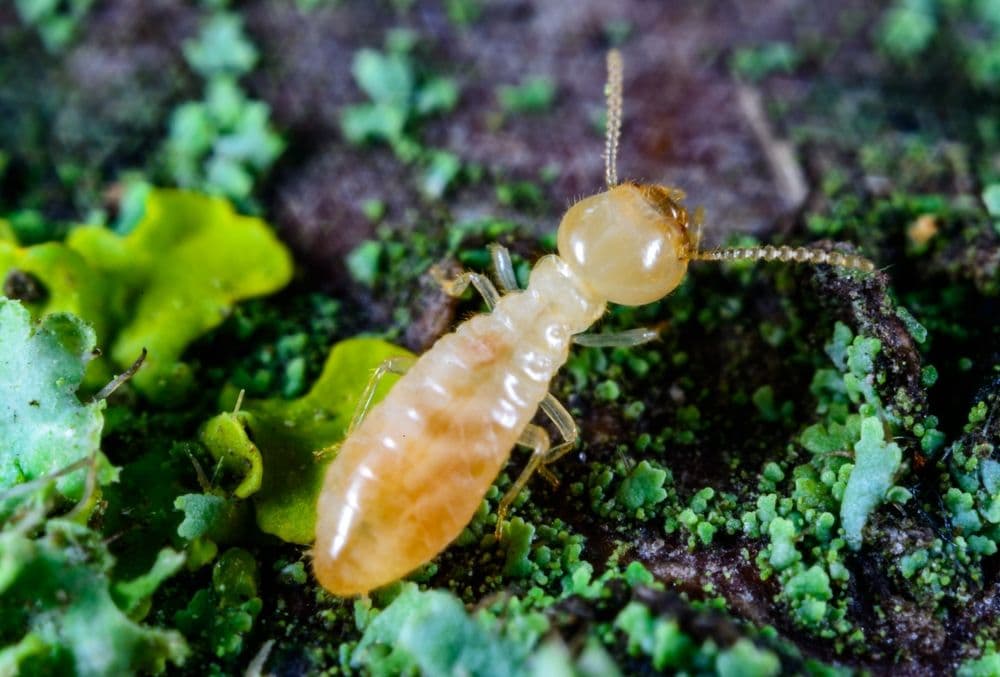
Signs of termite activity
- Thin mud tubes on walls, foundations or behind skirting boards
- Wood that sounds hollow or crumbles when pressed
- Discarded wings near windows and doors after a swarm
- Bubbling paint or small holes in wooden surfaces
How we treat termites
- 1
Inspection
We trace activity and damage to understand where termites are entering and feeding.
- 2
Treatment plan
We recommend a treatment based on the type of activity, the building and how far the damage has spread.
- 3
Treatment
Targeted baiting, dusting and spraying are applied to affected areas and entry points.
- 4
Follow-up
Follow-up visits check that activity has stopped and that no new areas are affected.
Before the visit
- Do not break open mud tubes or spray store-bought insecticide, which can scatter the colony
- Clear access to affected cabinets, frames and storage areas
- Note where you have seen damage or winged insects so we can check those areas first
We will confirm any other preparation when you book.
Who this service is for
- Villas and apartments
- Offices and shops
- Warehouses and stores
- Hotels
Not sure this is the right service? Describe the problem and we will advise.
Questions about termite control
Answers combine general pest-control guidance with how we usually work. Your technician confirms the right approach for your property after the inspection.
How can I tell termites from flying ants?
Winged termites have straight antennae, a thick waist and two pairs of wings of equal length. Flying ants have bent antennae, a narrow pinched waist and front wings that are longer than the back pair. Shed wings near windows and doors are a common sign of termites.
Can termites damage a concrete building?
Termites do not eat concrete, but they travel through cracks, joints and service openings to reach timber and other cellulose material inside, such as door frames, cabinets, skirting boards and stored paper or cardboard.
What is the difference between termite control and anti-termite treatment?
Termite control deals with termites that are already active in a building. Anti-termite treatment protects a building, ideally at construction stage, before termites get in. See our pre-construction termite treatment page for new builds.
Do I need to leave the property during termite treatment?
It depends on the areas being treated and the method used. Before work starts, the technician tells you whether any rooms need to be cleared or kept empty, and for how long.
Why are follow-up visits needed for termites?
Baits and treatments take time to reach the whole colony, and termites can be active in places that are not visible on the first visit. Follow-up visits check that activity has stopped and that no new areas are affected.
What happens to wood that termites have already damaged?
Treatment stops the termites, but it does not repair the damage. Badly damaged timber, such as door frames or cabinet bases, may need repairing or replacing by a carpenter once activity has stopped. We point out the damage we find during the inspection.
Book termite control in Doha and across Qatar
Tell us about the property and what you have noticed. We will advise on the right approach and arrange a visit.
+974 5060 1769+974 7080 4111WhatsApp +974 5060 1769[email protected]Areas we serve